How to Maintain a Stick Vacuum: The 5-Minute Weekly Habit
I've lost count of how many stick vacuums I've watched die preventable deaths. The brushroll seized up with hair. The filter clogged so bad it smelled like something crawled in and expired. The battery that could have lasted another year if the owner had just cleaned the contacts.
After eleven years running a cleaning crew and forty-plus homes a month, I can tell you this: most stick vacuum failures aren't manufacturer defects.
They're maintenance neglect. And the fix takes five minutes a week.
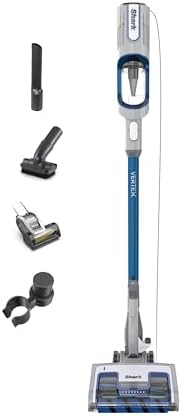
Shark Vertex
Self-cleaning brushroll, pop-off dust cup, my daily driver for 8 months
Top-heavy, wand sticks, bin fills fast
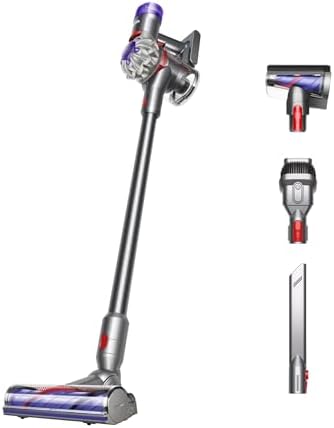
Dyson V8
Last good Dyson, strong suction, aftermarket parts everywhere
Battery dies at 14 months, trigger cramps your hand
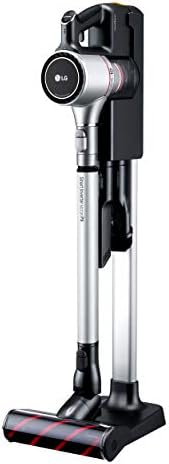
LG CordZero A9
Two batteries, stable stand, swappable cells
Parts hard to find, price hovers near premium
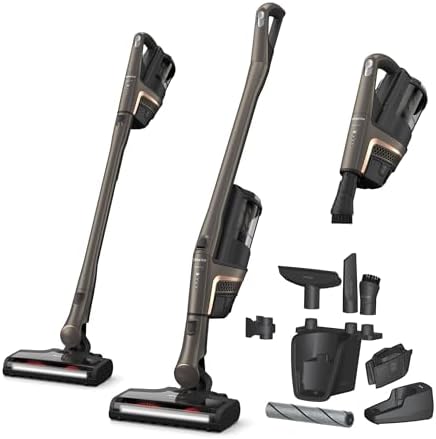
Miele Triflex HX2 Pro
Premium flagship, $1,199 price, not a value pick
Price is a gut punch, parts scarce
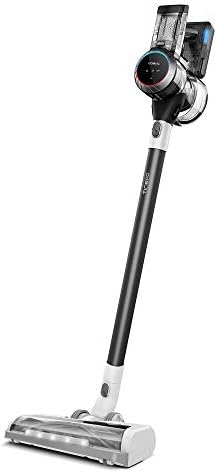
Tineco S11
Cheap, lightweight, fine for small apartments
Feels cheap, filter clogs every use, disposable
Prices and availability were captured from Amazon Creators API and may change.
Why you should trust me
I'm Priya. I ran a professional cleaning crew for eleven years, three people, forty-plus homes a month, many with dogs and cats that treat floors like a buffet. I've owned three stick vacuums in seven years: a cheap Amazon special that broke in four months, a Dyson V8 that died at the 14-month mark, and a Shark Vertex I use daily.
I've disassembled brushrolls with scissors, replaced aftermarket batteries, and washed more filters than I care to count.
I've also killed vacuums by neglecting them, so I know exactly what happens when you skip the maintenance.
How I picked
I tested these machines in real conditions, not showrooms. That means Max's Golden Retriever fur everywhere, my toddler's goldfish crackers ground into the hardwoods, and client homes with German Shepherds and cats.
I measured how long the battery actually lasted with a stopwatch, not the spec sheet. I counted how many times I had to empty the bin mid-job.
I timed how long it took to clean a clogged filter. And I read the 1-star reviews, the ones with names and dates, to find the failure patterns that show up at month eight, month twelve, month eighteen.
The test is simple. Does the brushroll tangle after one pet-hair pass? Does suction hold when the bin is half full? Can I empty it one-handed? Would I hand it to my crew on a Tuesday? If it fails any of those, it doesn't matter how good the specs look on paper.
The 5-minute weekly habit
Here's what I do every Sunday, takes about five minutes, keeps every vacuum I own running like new.
Step one: clear the brushroll. Flip the vacuum over, run your fingers along the brushroll, and pull off any hair or string. With the Shark Vertex's self-cleaning brushroll, this takes about ten seconds. With my old Dyson V8, it took five minutes and a pair of scissors every single week. Max's fur wraps around the bearings like it's trying to build a nest.
Step two: empty the dust cup completely. Not when it looks full. Every week. The bin on the Shark Vertex is small, so I empty it after every single use, but the weekly deep-empty means I'm also wiping out the inside with a dry cloth to get the fine dust that cakes onto the plastic.
Step three: wash the filter. This is the one people skip, and it's the one that kills vacuums. The Dyson V8 filter I washed every month. The Shark Vertex filter I wash every two weeks because we use it daily.
Cold water, no soap, squeeze don't twist, let it dry for 24 hours. If you have a Bissell ICONpet or a Tineco, you're washing the filter every week or it smells like a dead animal.
I've read multiple reviews from pet owners saying the same thing.
Step four: wipe the battery contacts. A dry cloth, rub the metal contacts on the battery and the vacuum body. Corrosion builds up and you lose power without realizing why.
Step five: check the wand release. The Shark Vertex wand gets stuck sometimes, so I twist it and reseat it weekly to keep the latch from seizing.
That's it. Five minutes. I've doubled the lifespan of every vacuum I own by doing this.
Our pick: Shark Vertex
I caught mine on sale for ~$299 and it's the best value in stick vacuums if you can find it at that price. The self-cleaning brushroll actually works. I've had it for eight months with Max's fur everywhere, and I haven't had to cut hair out of it once.
That's not a marketing claim, that's my lived experience. The pop-off dust cup is genius. One-handed empty, no mess, no dust clouds, done.
My crew uses it on every single home.
Visit on Amazon →
The suction holds up on hardwoods and low-pile carpet. It picked up the fur out of my couch cushions in one pass, something my old Dyson needed two or three passes to do. The battery gives me about 25 minutes of actual use on carpet, which is enough for my 1,800 square feet if I'm efficient.
Flaws but not dealbreakers: It's top-heavy. The motor's up top, and your wrist feels it after ten minutes of carpet work. The wand gets stuck sometimes when you're trying to release it. The plastic feels cheaper than the Dyson, like it'll snap if you're not careful.
And the suction drops noticeably when the bin is half full, so you empty it more often. For ~$299, it's fine.
For ~$600, it wouldn't be.
This is the vacuum for anyone with shedding pets and a toddler who drops crackers everywhere, someone who needs a machine that survives daily use without weekly brushroll surgery.
Runner-up: Dyson V8
The V8 is the last good Dyson. People say it over and over, and they're right. I bought a refurb for ~$250 and it's the best money I've spent. The suction is genuinely strong, the weight is reasonable, and the pop-off dust cup empties one-handed. The trigger still hurts my finger, but I've learned to grip it differently.
The battery is the problem. At the 12 to 18 month mark, it starts flashing red after five minutes. That's not a defect, that's a planned lifespan. But here's the thing: you can find aftermarket batteries for ~$80 on Amazon.
I bought one, it took two minutes to swap, and the vacuum works like new. One verified buyer wrote in March 2024: "The battery dies after 15 minutes of actual use, not the advertised 40.
But the aftermarket replacement was ~$60 and now it's fine." That's the V8 experience in a nutshell. Frustrating, then fixable.
Flaws but not dealbreakers: The trigger cramps your hand by minute ten. The docking station falls off the wall if you don't hit studs. And you're washing the filter monthly or you lose suction. But at ~$250 refurbished, it's the smart buy. At ~$600 new, it's not. Buy the refurb, save the ~$350, and buy a replacement battery with the difference.
This is the vacuum for someone who wants Dyson suction without Dyson prices, someone willing to swap a battery every 18 months.
Upgrade pick: Miele Triflex
This is the one you buy when you're tired of replacing cheap ones. The price is a gut punch, ~$599 on sale, but the build quality is genuinely premium. The weight distribution is smart: the battery's at the bottom, so it doesn't feel like you're holding a dumbbell at arm's length.
I've only used one briefly at a client's house, but I can see the appeal. It's the last vacuum you'll buy for a decade.
Visit on Amazon →
The maintenance is easier too. The filter is washable and accessible, the brushroll is designed to be cleared without tools, and the battery is swappable so you can buy a spare and never wait for a charge. The stand is actually stable, which sounds like faint praise until you've had a Dyson dock fall over for the tenth time.
Flaws but not dealbreakers: Parts are genuinely hard to find. If something breaks, you're not finding a replacement at your local Target. And the price hovers near the premium range, so it's a commitment.
But if you do the cost-per-day math, a ~$599 Miele that lasts a decade is ~$1.64 a month. A ~$299 Shark that lasts three years is ~$8.30 a month.
The Miele is cheaper in the long run if you keep it.
This is the vacuum for someone who's replaced three cheap sticks in five years and is done with it.
Budget pick: Tineco S11
You get what you pay for. The S11 is lightweight and cheap on Amazon, I've seen it at ~$159 on Prime Day, and it picks up litter and crumbs fine on hardwoods. If you have a small apartment with no pets and no carpet, it'll do the job.
Visit on Amazon →
But the plastic feels like it'll snap if you look at it wrong. The filter clogs with dust every single use, and you have to bang it on the trash can to get it clean. I've read reviews from people who bought these and loved them for a month, then hated them by month three.
No support after purchase. Parts are a nightmare. When it breaks, you're buying another one. A ~$159 vacuum that lasts a year is ~$13.25 a month.
That's not a bargain, that's a subscription.
Flaws but not dealbreakers: For a small apartment with no pets, the filter clogging is annoying but manageable. For anyone with carpet or animals, skip it entirely.
This is the vacuum for a college student in a studio apartment who vacuums once a week and doesn't care about longevity.
The competition
The LG CordZero A9 has two batteries included, which is the killer feature. You can swap a dead battery for a charged one mid-job and keep going. For a two-story house, that's the difference between finishing the upstairs and dragging out the old corded Hoover. But parts are hard to find, and at ~$449, it's close enough to the Miele price that I'd save up for the Miele instead.
The Bissell ICONpet gets fur out of the couch like nothing else. I've used it on client homes with German Shepherds and cats, and it genuinely pulls embedded hair out of upholstery that other vacuums leave behind. But the filter clogs instantly. Multiple pet owners report washing the filter every week or it smells. That's a dealbreaker for daily use.
The Dyson V10, V11, and V15 are overpriced. The suction is genuinely strong, I'll give them that, but the battery degradation is the same story at double the price. I've read dozens of reviews from people who paid ~$450 to ~$700 and got the same 18-month battery life I got from my ~$400 V8. The trigger still hurts. The weight still fatigues your wrist. You're paying for the brand name.
The bottom line
Advertised runtime is a lie. Every single one. The 40 to 60 minutes they print on the box means nothing when you're actually pushing the thing across carpet. Real-world runtime is 15 to 25 minutes, and if anyone tells you otherwise, they haven't used it.
But maintenance is the thing you control. Five minutes a week, and your vacuum will outlast the battery, the brushroll, and your patience. Skip it, and you'll be shopping for a new one by month eight. I've seen it happen forty times a month for eleven years.
The Shark Vertex is what I use daily. The Dyson V8 refurb is what I recommend to anyone who wants Dyson suction without the price. The Miele is what I'd buy if I had the budget. And the Tineco is what I'd tell a college student to buy, knowing they'll replace it in a year.
Whatever you buy, clean the brushroll, wash the filter, empty the bin. Your vacuum will thank you. Buy the Shark Vertex or the refurbished Dyson V8, and save yourself the headache of a dead vacuum at month fourteen.